About Us
Welcome to Off-Grid Wizard. If you are building a custom solar array for a remote cabin, designing a reliable power station for an RV, or trying to understand how to source budget-friendly components safely from cross-border platforms, you are in the right place.
Building an independent electrical system can feel like an enigmatic jigsaw puzzle. Minor calculation errors in panel angles, line resistance, or inverter capacity don’t just result in systemic power drops—they can create major electrical safety risks.
We strip away the marketing hype and use real engineering principles to help you construct cost-effective, high-performing off-grid setups.
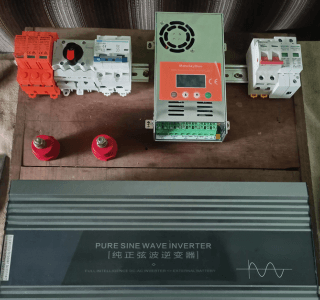
Meet the Engineer Behind the Wizard
Off-Grid Wizard was founded by Chamika Ranaweera, a field and systems engineer.
With years of professional experience managing complex industrial equipment installations, structural cabling, and heavy-duty power infrastructure, Chamika brings rigid engineering standards down to the consumer level. Having spent years coordinating complex wiring blueprints, managing substation equipment arrays, and troubleshooting industrial electrical frameworks, his background bridges the gap between massive grid operations and DIY solar builds.
“When managing multi-kilowatt power networks, guessing is never an option. You rely on precise calculations, thermal tolerances, and standardized specifications. I built Off-Grid Wizard to apply those exact structural testing principles to the components regular people buy every day.”
— Chamika Ranaweera, Founder
Our Editorial & Testing Principles
We do not write generic definitions or publish unverified product claims. Every guide, comparison tool, and sizing calculator published on this platform is backed by hard technical metrics:
- Mathematical Sizing Accuracy: Tools like our custom Off-Grid Solar System Sizing Calculator don’t just guess your capacity. They run data using precise inputs: combining inverter efficiencies, local average sun hours, and distinct battery depth of discharge (DoD) limits to output stable technical configurations.
- The Factory-Direct Value Filter: Sourcing components directly from global manufacturers via platforms like AliExpress can slash your infrastructure budget by 60% or more—but only if you know what to avoid. We evaluate real-world hardware data, cross-linking specific component profiles (like Jikong vs. Daly smart BMS modules or PowMr vs. Growatt inverters) so you only invest in safe, verified gear.
- Safety First: From understanding the exact charging profiles of LiFePO4 vs. lead-acid banks to calculating proper wire sizes and securing MC4 connectors, safety is woven into every sentence.
We do not accept paid manufacturer sponsorships to alter our reviews. If a cheap factory inverter has high idle power draw, or if its cooling fans run too loud for internal cabin placements, we will list it clearly in our specs.
Start Mapping Your Build
Whether you are looking to understand the core physics of a solar cell’s IV Curve or ready to purchase your first all-in-one hybrid inverter setup, we have built the blueprints to guide you:
- Off-Grid Solar System Sizing Calculator – Run your daily watt-hour math to find your required battery and panel storage.
- AliExpress Sourcing Blueprints – Check out our curated, factory-direct component reviews verified for US split-phase standards.
- Electricity Fundamentals – Master current, voltage, resistance, and charging phases to safely wire your own system.
Don’t forget to check back often; We constantly update these guides with new information